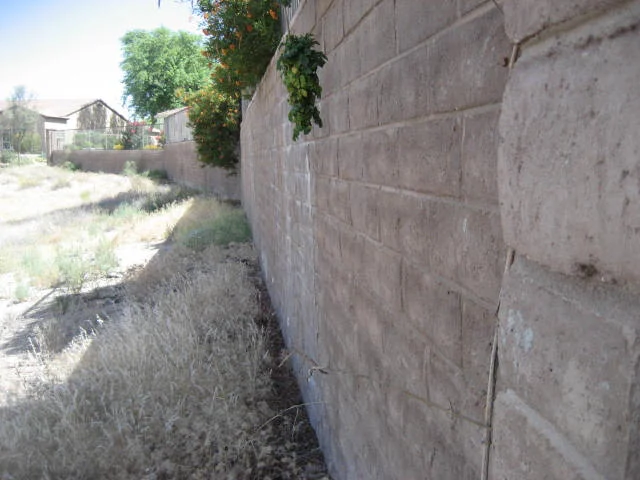
Licensed Retaining Wall Engineering Services in Arizona: Your Complete Guide
Are you planning a retaining wall project in Arizona? Whether you’re a homeowner in Scottsdale looking to improve your backyard, a contractor managing a project in Phoenix, or a property owner preventing erosion in Cave Creek, choosing the right licensed retaining wall engineering services in Arizona is crucial.
What Are Retaining Wall Engineering Services?
Retaining wall engineering services involve the professional design, analysis, and documentation of retaining walls by an Arizona-licensed civil or structural engineer. These services ensure that your wall meets local building codes, safety requirements, and performs well under Arizona’s challenging soil and weather conditions. Check out our Civil Engineering and Design Services to hire your engineer today!
When Do You Need a Licensed Engineer for a Retaining Wall in Arizona?
In Arizona, you typically need licensed retaining wall engineering services when:
- The wall exceeds 3–4 feet in height (depending on city)
- It supports driveways, buildings, or slopes
- It’s located near property lines or easements
- Your local municipality, such as Scottsdale, Mesa, or Tucson, requires an engineering stamp
Even if not legally required, hiring a licensed engineer ensures safety, protects your investment, and increases property value.
Why Arizona Retaining Walls Require Specialized Engineering
Arizona’s geography and climate create unique engineering challenges:
1. Expansive Clay Soils
Common in Phoenix and Tucson, expansive clay swells when wet and shrinks when dry—causing intense pressure on walls. Proper design, drainage, and reinforcement prevent cracking or collapse.
2. Caliche Layers
Arizona’s hard caliche deposits complicate excavation and foundation anchoring. Experienced engineers know how to design footing and drainage systems that handle these conditions.
3. Extreme Temperature Swings
Arizona’s pavement can reach 160°F in summer and drop below freezing in winter. Licensed engineers use the right materials, joints, and reinforcements to prevent thermal cracking.
4. Monsoon Drainage
Sudden monsoon storms can dump inches of rain in hours. Without professional drainage design—weep holes, gravel backfill, and perforated drains—walls can fail quickly.
5. Seismic Stability
Arizona’s mild but present seismic activity requires that taller walls include earthquake-resistant design principles.
Types of Retaining Walls Common in Arizona
Cantilever Retaining Walls
Best for 4–20+ foot walls. Require complex calculations for reinforcement and footings—always handled by licensed engineers.
Gravity Retaining Walls
Ideal for decorative or shorter walls (under 4 feet). Even small walls benefit from professional drainage and soil design in Arizona’s expansive soils.
Segmental Retaining Walls (SRW)
Popular in residential and commercial Arizona landscapes. Most cities require an engineer’s stamp for walls over 4 feet.
Anchored / Tieback Walls
Used for steep sites or large commercial projects. These always require comprehensive retaining wall engineering services for safety and stability.
The Arizona Retaining Wall Engineering Process
Step 1: Site Assessment & Consultation
Your engineer visits the property to evaluate soils, slopes, and drainage, then recommends the best type of retaining wall for your Arizona location.
Step 2: Geotechnical Investigation
Soil borings and lab testing determine bearing capacity, lateral earth pressure, and drainage recommendations. Cost: $800–$2,500 for residential projects.
Step 3: Structural Design
The engineer performs load calculations and designs for overturning, sliding, and bearing stability. Drainage, weep holes, and backfill are included.
Step 4: Construction Documents & Stamped Plans
Your engineer provides sealed drawings and calculations that meet Arizona building codes—required for permits.
Step 5: Permit Application
Plans are submitted to your local city or county building department (Phoenix, Chandler, Mesa, Tucson, etc.) for approval.
Step 6: Construction Oversight
Engineers may perform site visits or field adjustments to ensure construction follows approved plans.
Step 7: Final Inspections
Your retaining wall is inspected and approved by Arizona authorities before it’s finalized.
Common Arizona Retaining Wall Materials
| Material | Cost (Per Sq Ft) | Best For | Notes |
|---|---|---|---|
| Poured Concrete | $50–$100+ | Walls over 6 ft | Long-lasting, versatile |
| CMU Block | $40–$80 | Mid-height walls | Strong and fast to build |
| Segmental Blocks | $35–$80 | Landscaping | Great aesthetics |
| Pressure-Treated Wood | $25–$50 | Low walls | Short lifespan in Arizona’s heat |
Avoid These Common Arizona Retaining Wall Failures
- Poor Drainage: Monsoon rains cause hydrostatic buildup and collapse.
- Expansive Soils: Clay movement destroys unengineered walls.
- Underdesigned Footings: Leads to sliding or overturning.
- Inadequate Reinforcement: Concrete cracking or rebar corrosion.
Hiring licensed retaining wall engineers in Arizona prevents these costly issues before construction begins.
Cost of Retaining Wall Engineering Services in Arizona
| Service | Typical Cost (Residential) |
|---|---|
| Engineering Design | $800–$2,000 |
| Complex Design | $2,000–$5,000+ |
| Geotechnical Report | $800–$2,500 |
| Permit Fees | $300–$600 |
Pro Tip: Engineering usually represents only 5–15% of the total project cost, but it ensures the other 85–95% is done safely and correctly.
Choosing the Right Retaining Wall Engineer in Arizona
When selecting retaining wall engineering services in Arizona, look for:
- ✅ Licensed Arizona Engineer (verify at azbtr.gov)
- ✅ Experience with expansive soils, monsoon drainage, and caliche
- ✅ Proven local project experience
- ✅ Professional liability insurance
- ✅ Transparent pricing and references
Why Choose Schembri Engineers
At Schembri Engineers, we specialize in retaining wall engineering services across Arizona—from Phoenix and Tucson to Flagstaff and Yuma.
We provide:
- Arizona-licensed professional engineers
- Fast turnaround on residential and commercial projects
- Expert knowledge of local codes and soil challenges
- Full-service support from design to inspection
- Competitive, transparent pricing
We’ve helped hundreds of Arizona property owners and contractors design safe, efficient retaining walls that last decades.
FAQs: Retaining Wall Engineering in Arizona
Do I need an engineer for a 4-foot wall?
Yes, most Arizona cities (like Scottsdale, Chandler, and Mesa) require engineering for walls over 3–4 feet.
Can I use out-of-state plans?
No. Arizona law requires plans stamped by an Arizona-licensed professional engineer.
Do I need a soil report?
Yes—especially in areas with expansive clay or caliche. It’s essential for proper design.
How long does it take?
1–2 weeks for simple walls, 3–4 weeks for complex or commercial projects.
Start Your Arizona Retaining Wall Project with Confidence
Whether you’re building a residential retaining wall or a large commercial system, professional engineering ensures safety, compliance, and long-term performance.
Schembri Engineers provides reliable, local expertise for retaining wall engineering services in Arizona—protecting your investment from the ground up.
