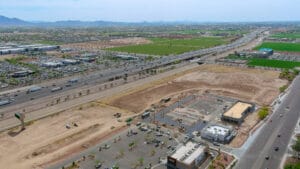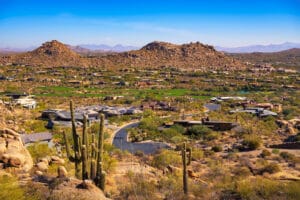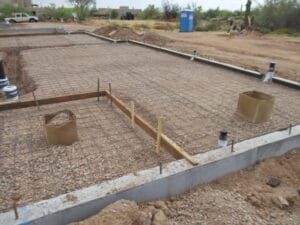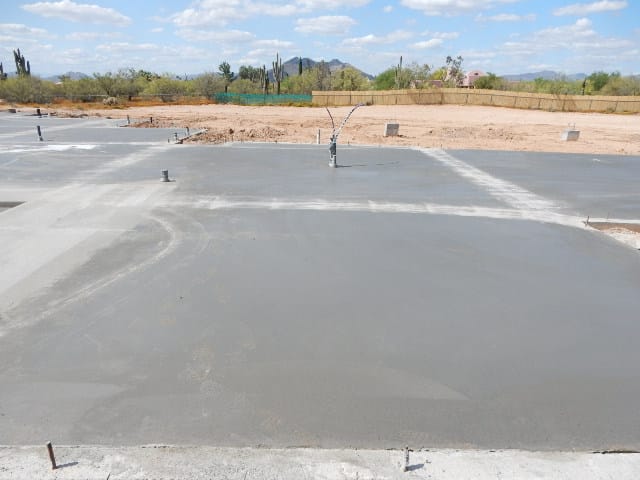
A civil engineer in Arizona is a licensed professional who designs, plans, constructs, and maintains the essential physical infrastructure, from vital transportation networks to complex water systems and commercial developments. Schembri Engineers specializes in providing critical engineering and design services, ensuring Arizona’s built environment functions safely, efficiently, and sustainably. In this essential guide, we detail the unique role civil engineers play in a desert climate, tackling challenges like extreme heat, complex soil conditions, and water resource management to support Arizona’s rapid growth.
What Is a Civil Engineer?
A civil engineer is a licensed professional who designs, plans, constructs, and maintains the physical infrastructure that forms the backbone of modern society. From highways and bridges to water systems and commercial developments, civil engineers ensure that Arizona’s built environment functions safely, efficiently, and sustainably.
In Arizona, civil engineers play a critical role in addressing the unique challenges of developing infrastructure in a desert climate while supporting one of the nation’s fastest-growing populations.
The Role of Civil Engineers in Arizona
Civil engineers in Arizona handle diverse projects that directly impact communities across the state. Schembri Engineers focuses on delivering competence and professionalism in a range of services, including structural and civil design engineering.
Core Responsibilities
- Infrastructure Design and Planning: Civil engineers develop comprehensive plans for roads, highways, bridges, and transportation networks that connect Arizona’s cities and rural communities. They evaluate traffic patterns, assess environmental impacts, and create designs that balance functionality with sustainability.
- Water Resource Management: In Arizona’s arid climate, water is one of the most precious resources. Civil engineers design and maintain water distribution systems, wastewater treatment facilities, stormwater management systems, and innovative solutions for water conservation. Projects like the historic Central Arizona Project demonstrate the critical importance of civil engineering expertise in bringing water resources to population centers.
- Site Development: Civil engineers prepare land for residential, commercial, and industrial development. This includes grading and earthwork, utility infrastructure placement, drainage design, and ensuring compliance with local zoning requirements and environmental regulations. For a deeper dive into one crucial aspect, The Complete Guide to Civil Excavation Engineering in Arizona.
- Construction Management: Beyond design work, civil engineers provide oversight throughout construction projects. They conduct site inspections, coordinate with contractors, perform material testing, and ensure that projects meet specifications and stay on schedule.
- Structural Analysis: Schembri Engineers specializes in this critical area. Civil engineers evaluate the integrity and safety of buildings, bridges, and other structures. They assess how different loads affect structural components and select appropriate materials to ensure long-term performance under Arizona’s extreme temperature fluctuations and seismic considerations.
Arizona-Specific Challenges
Civil engineers in Arizona face unique environmental and geological challenges that require specialized knowledge:
- Desert Soil Conditions: Arizona’s desert soil contains caliche, a hard calcium carbonate layer that requires specialized equipment. The soil’s composition of sand, silt, and clay can behave unpredictably, requiring careful geotechnical analysis and planning.
- Extreme Heat: Arizona’s hot weather affects materials, causing ground cracking and shifting that civil engineers must account for in their designs. It also demands strict safety measures and material selection for longevity.
- Water Scarcity: Rising temperatures increase evaporation rates while precipitation remains limited, creating ongoing challenges for projects. Civil engineers must develop innovative solutions for water conservation and efficient resource management.
- Erosion and Watershed Management: In desert terrain with sparse vegetation, erosion becomes a significant concern during excavation and construction. Civil engineers implement erosion control measures and design systems that work with natural watershed functions rather than against them.
Major Civil Engineering Disciplines in Arizona
Civil engineering encompasses several specialized fields, each addressing specific infrastructure needs:
- Structural Engineering: This is a core service area for Schembri Engineers, specializing in structural and foundation evaluation. Structural engineers focus on designing and analyzing buildings, bridges, dams, and other load-bearing structures. They ensure structures can withstand Arizona’s seismic activity, extreme temperatures, and other environmental stresses.
- Transportation Engineering: Transportation engineers design and optimize Arizona’s roadway networks, highways, and transit systems. They analyze traffic flow patterns, improve pedestrian safety, and develop transportation infrastructure that accommodates the state’s growing population.
- Water Resources Engineering: Water resources engineers develop systems for water supply, distribution, treatment, and flood control. In Arizona, this specialty is particularly critical, involving projects from municipal water systems to large-scale initiatives like detention basins and innovative water harvesting systems designed for desert climates.
- Geotechnical Engineering: Geotechnical engineers study soil and rock mechanics to provide foundation design recommendations and assess slope stability. In Arizona’s diverse terrain—from desert valleys to mountainous regions—geotechnical expertise ensures that structures have adequate support and can handle unique soil conditions like expansive clays and caliche layers.
- Environmental Engineering: Environmental engineers develop solutions for pollution control, waste management, and sustainable development. They conduct environmental impact assessments, design green infrastructure, and ensure projects comply with environmental regulations while minimizing ecological footprints.
How to Become a Civil Engineer in Arizona
Educational Requirements
Aspiring civil engineers must earn a bachelor’s degree in civil engineering from an ABET-accredited program. Arizona’s major universities offer comprehensive civil engineering programs:
- Arizona State University: The Fulton Schools of Engineering provide extensive civil engineering education with specializations in structural engineering, transportation systems, and environmental sustainability.
- University of Arizona: The College of Engineering offers civil and architectural engineering programs emphasizing seismic safety, flood prevention, water treatment, and sustainable construction practices.
These programs typically include coursework in mathematics, physics, chemistry, structural mechanics, fluid mechanics, geotechnics, materials science, and environmental engineering. Students also gain practical experience through laboratory work, design projects, and internships.
Licensing Process
To practice as a professional engineer (PE) in Arizona, candidates must obtain licensure through the Arizona Board of Technical Registration (ABTR). The process involves several steps:
- Fundamentals of Engineering (FE) Exam: Candidates must demonstrate at least 48 months of education and/or experience or be in the final year of an acceptable degree program to take the FE exam. Passing this exam grants Engineer-in-Training (EIT) status.
- Gain Professional Experience: After passing the FE and PE exams, applicants must show at least 96 months of combined education and experience to qualify for full registration.
- Principles and Practice of Engineering (PE) Exam: This comprehensive exam tests competency in a specific engineering discipline and must be passed before licensure.
- Apply for Registration: Arizona offers several pathways to licensure for new and experienced engineers.
- Maintain License: Arizona professional engineer licenses are renewed every three years from the original date of licensure. While continuing education is not strictly required for renewal, it is highly recommended for professional development.
Major Civil Engineering Projects in Arizona
Arizona’s civil engineers have designed and managed numerous landmark infrastructure projects:
- Central Arizona Project (CAP): The CAP stands as one of the most significant civil engineering achievements in state history. This system delivers Colorado River water to central and southern Arizona, supporting millions of residents and agricultural operations.
- Transportation Infrastructure: Arizona’s highway system continues to evolve through civil engineering innovation. Current research projects focus on infrastructure resilience, sustainability, and safety improvements.
- Sustainable Development Projects: Civil engineers across Arizona are pioneering sustainable infrastructure solutions, including green building developments, solar energy facility infrastructure, water harvesting systems, and urban heat mitigation strategies in metropolitan Phoenix.
Working with Civil Engineers in Arizona: What to Expect
When you engage a civil engineer in Arizona for a project, the typical process includes:
- Initial Consultation: Discussion of project goals, site conditions, and timeline expectations. Civil engineers assess feasibility and provide preliminary recommendations.
- Site Analysis: Comprehensive evaluation of topography, soil conditions, drainage patterns, utility availability, and regulatory requirements. This may include surveying, geotechnical investigations, and environmental assessments.
- Design Development: Creation of detailed plans, specifications, and calculations. Civil engineers coordinate with architects, surveyors, and other professionals to develop comprehensive design documents.
- Permitting and Approvals: Navigation of local, state, and federal regulatory requirements. Civil engineers prepare permit applications, respond to agency comments, and obtain necessary approvals.
- Construction Support: Ongoing oversight during construction, including site visits, material testing, contractor coordination, and resolution of field issues.
- Project Closeout: Final inspections, as-built documentation, and certification that the project meets design specifications and regulatory requirements.
Selecting a Civil Engineer
When choosing a civil engineering firm in Arizona, consider the following, especially the specialized expertise offered by Schembri Engineers:
- Licensure: Verify that the firm and its engineers hold valid Arizona PE licenses through the ABTR.
- Experience: Look for firms with relevant project experience in your specific type of development, particularly in structural and civil design. Schembri Engineers has been serving Arizona since 1985 with a focus on structural and foundation evaluation.
- Local Knowledge: Firms familiar with Arizona’s unique challenges, local regulations, and climate conditions provide valuable expertise.
- Communication: Choose engineers who explain technical concepts clearly and maintain responsive communication throughout projects.
- Technology: Modern firms utilize advanced software for design, modeling, and project management.
The Future of Civil Engineering in Arizona
Arizona’s civil engineering profession continues evolving to address emerging challenges and opportunities:
- Infrastructure Modernization: Federal infrastructure investments are directing substantial funding toward transportation, manufacturing, and utility facility improvements throughout Arizona. Civil engineers will play central roles in planning and executing these modernization projects.
- Climate Resilience: Engineers are developing innovative approaches to design infrastructure that withstands increasing extreme weather events, prolonged drought conditions, and rising temperatures.
- Sustainable Development: The green building materials market continues expanding, with civil engineers increasingly incorporating sustainable practices into projects.
- Digital Innovation: Civil engineering is embracing advanced technologies including Building Information Modeling (BIM), drone surveying, and sophisticated modeling software for complex analysis.
- Water Security: As Arizona faces ongoing water challenges, civil engineers are developing innovative solutions for water conservation, alternative water sources, and efficient irrigation systems.
Why Arizona Needs Civil Engineers
Arizona’s rapid population growth, aging infrastructure, and unique environmental challenges create sustained demand for civil engineering expertise. Civil engineers ensure that Arizona’s development occurs responsibly, sustainably, and safely. They solve complex technical problems, balance competing demands for limited resources, and create infrastructure that will serve generations to come.
Whether you’re considering a career in civil engineering or seeking to hire a civil engineer for a project, Arizona’s civil engineering community, including experienced firms like Schembri Engineers, stands ready to shape the state’s future through innovation, technical excellence, and commitment to public welfare.